
Press
Here is a selection of international press about Kaffe Fassett’s exhibitions, designs, commissions and recent work.
Selvedge Magazine
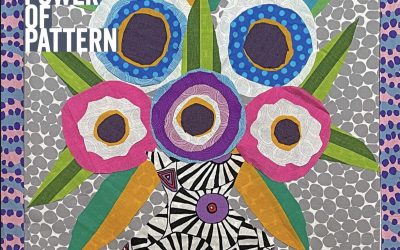
Kaffe Fassett: The Power of PatternPressSelvedge Magazine, September 2022 Kaffe Fassett: The Power of Pattern Today sees the launch of a new, immersive, visual experience at the Fashion and Textile Museum, in London. Kaffe Fassett: The Power of Pattern, presents over...
Today’s Quilter Magazine Issue 67
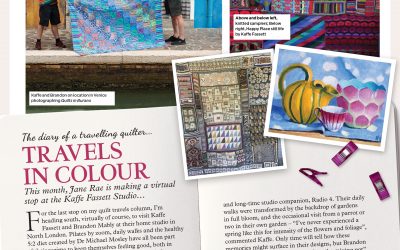
The Diary of a of a travelling quilter...Travels In Colour Press Today's Quilter, October 2020 The diary of a travelling quilter ... Travels in ColourThis month, Jane Rae is making a virtual stop at the Kaffe Fassett Studio ... for the last stop on my quilt travels...
FT How To Spend IT
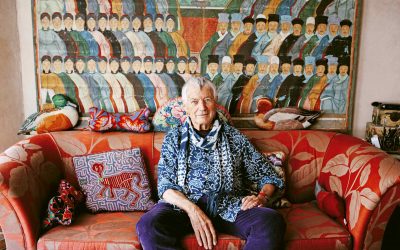
The Aesthete: Kaffe Fassett opens his black book of stylePress FT How To Spend It, March 2020 The Aesthete: Kaffe Fassett opens his black book of styleThe godfather of textile design loves French flower paintings, laughing Buddhas, and Leffe Belgium beer. The last...
Knitting Magazine, Issue 192
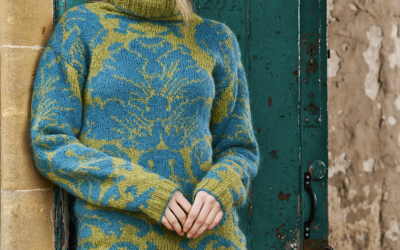
Press Knitting Magazine, Issue 192 Knitting Magazine, Issue 192 March 2019 BROCADE Kaffe Fassett - Yarn: Rowan Felted Tweed and Kidsilk Haze, Skill level: Intermediate This classic intarsia sweater was restyled and reknitted from an original 2005 design by colourwork...
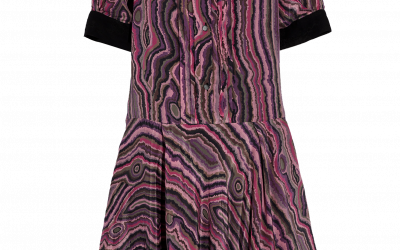
Cultured Magazine, February 2019
Press "Coach partners with psychedelic pattern-maker Kaffe Fassett..." Cultured Magazine, February 2019 For their Fall/Winter 2019 collection, Coach tapped pattern designer Kaffe Fassett, known for his maximalist prints, to add a bit of color to the brand’s already...
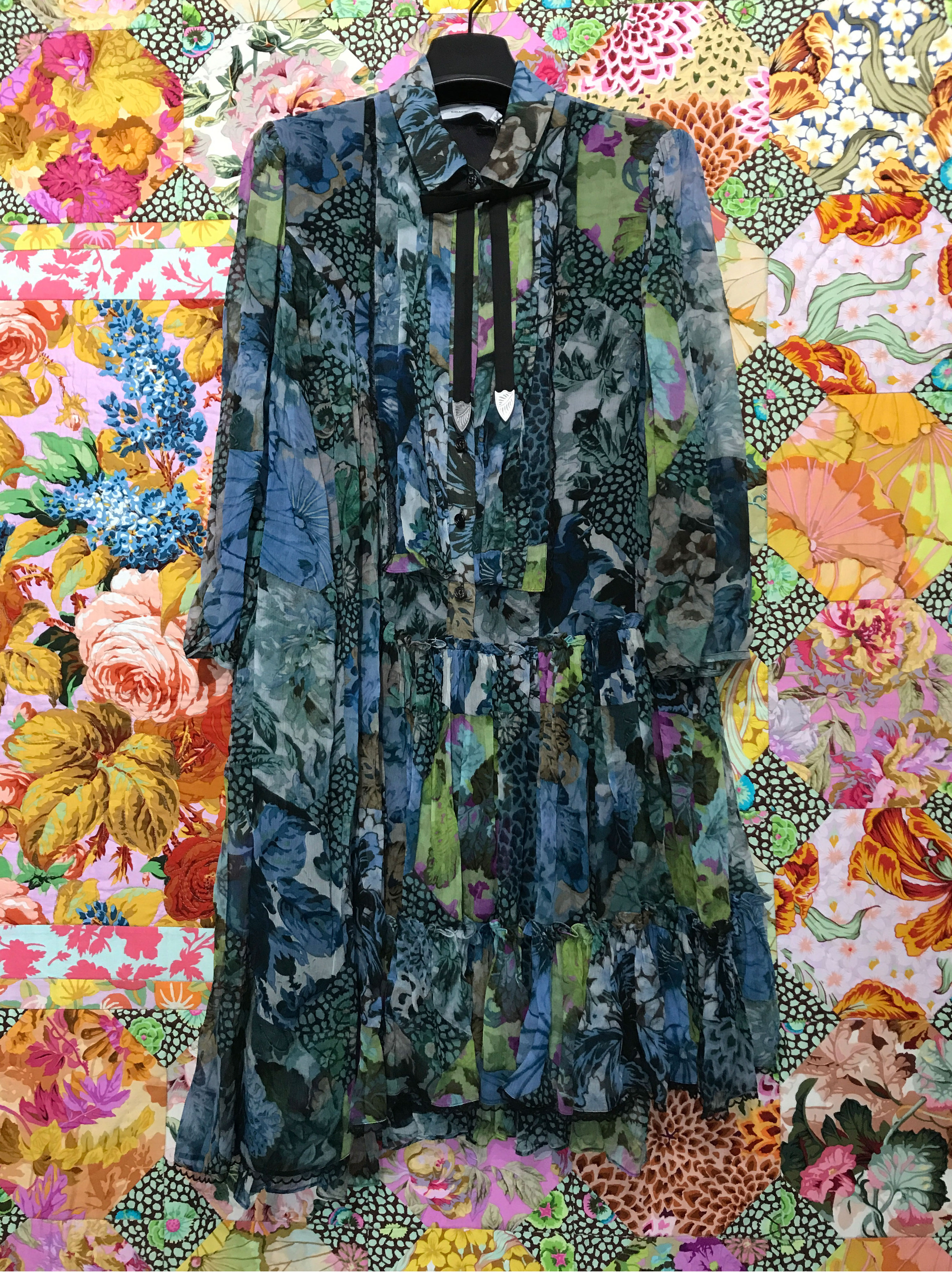
Vogue, February 2019
Press “He has that psychedelic quality to his work..." Vogue, February 2019 Fashion critic Anders Christian Madsen. At Coach, Stuart Vevers joined in on the chilled-out mood. “I knew I wanted to have more colour,” he said, echoing that couture-centric year in fashion....
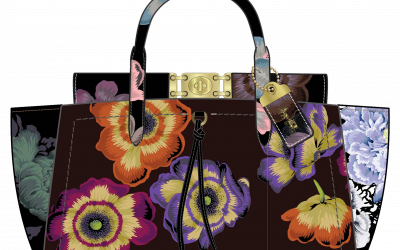
Vogue, February 2019
Press Why Colour Is Key To Coach's AW19 Collection... Vogue, February 2019 Vogue meets Coach’s creative director Stuart Vevers ahead of his AW19 show to discuss his new NYFW venue, the power of colour, and collaborating with American textile artist Kaffe Fassett...
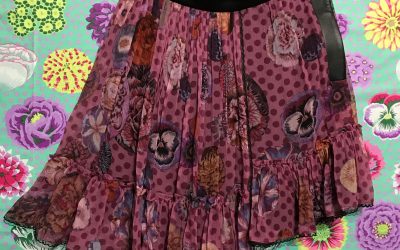
WWD – Coach 1941 RTW Fall 2019
Press Coach 1941 RTW Fall 2019 - WWD For women, Stuart Vevers added a California vibe to his gritty-glam aesthetic By Booth Moore and Jean E. Palmieri on February 12, 2019 With five years under his belt as creative director at Coach, Stuart Vevers is thinking outside...
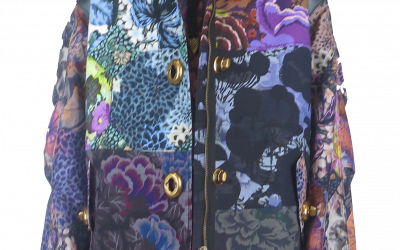
The Guardian, Coach Collaboration, February 2019
Press Coach Turns to the 'Magician of Colour' for its Autumn Season... The Guardian, February 2019 Once the site of the New York Stock Exchange, 86 Trinity Place played host to a different kind of American institution on Tuesday afternoon. Fashion brand Coach, founded...
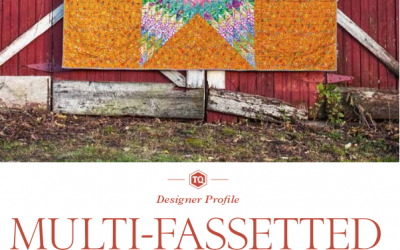
Today’s Quilter, Issue 39
Today's Quilter, Issue 39 Press Multi-Fassetted 2018 is turning out to be quite a year at the Kaffe Fassett Studio. In April, it was announced that Kaffe had been awarded an MBE in recognition of his “outstanding achievement or service to the community”. We are...
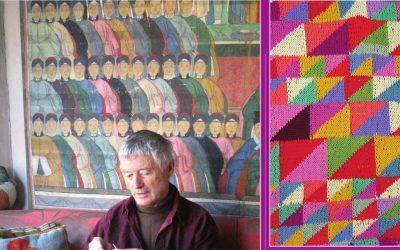
Knitting Magazine, Issue 182
Knitting Magazine, Issue 182 Press Riot of Colour, Knitting Magazine, Issue 182 Have you always had an eye for colour? When I was a young painter, one critic said: “You have no colour theory”. Over the years I got over that and when I discovered textile-making, it was...
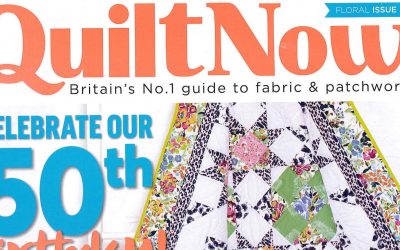
Quilt Now Issue 50
Quilt Now, Issue 50 Press Quilt Now, May 2018 Question and answer feature. 'It’s a total honour to be able to travel the world having people trust us enough to come to our workshops and bare their souls in their work...'
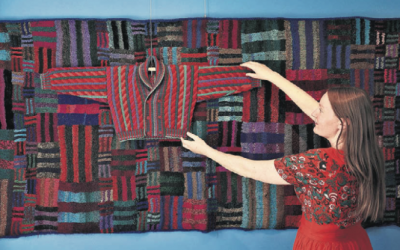
Gripping Yarns, The Times
An exhibition at Mottisfont Abbey, a National Trust property in Hampshire, celebrates the work of Kaffe Fassett, 79 whose design career spans 50 years.
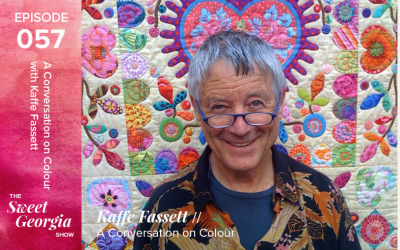
The Sweet Georgia Show
Hosted by Felicia Lo, this weekly podcast explores the sweet spot between colour, craft, and creativity. We talk with creatives and makers in our knitting, spinning, dyeing, and weaving community all about their stories and journeys through their craft.
This week, Felicia speaks with Kaffe Fassett, a leading textiles designer and practitioner of contemporary crafts.
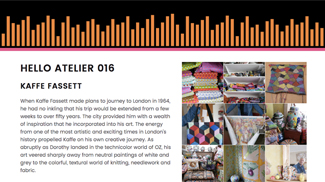
Hello Atelier Podcast
Hello Atelier Podcast Kaffe Fassett Podcast, Hello Atelier, June 2017 Phonicalia Media Network produces thoughtful and passionate podcasts on a growing range of topics. Hello Atelier takes you into the studios of artists and makers. In this podcast, Kaffe Fassett...